


Seed Treatments to Manage Maggots and Soilborne Diseases in Onion, 2026
Christy Hoepting, Extension Vegetable Specialist
Cornell Vegetable Program
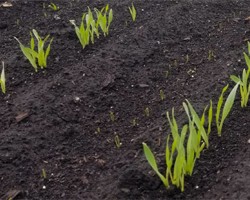
Because onions are attacked by the onion maggot (Delia antiqua) and seedcorn maggot (D. platura), determining which insecticide seed treatments to use for managing both is important. Our recent research has shown that seedcorn maggot may kill onion seedlings before and shortly after emergence, while onion maggot is the dominant species that kills onions after emergence (80-90% of infested plants), and seedcorn maggot is less prevalent (10-20% of plants).
The "Cheat Sheet" for Seed Treatment and In-Furrow Treatments for Managing Maggots and Soilborne Diseases in Direct-Seeded Onion in New York, 2026 provides an update on insecticide options for managing both maggot species using seed treatments based on results from multiple Cornell field trials in Oswego County from 2023 to 2025.
Cheat Sheet for Seed Treatments to Manage Maggots and Soilborne Diseases in Onion, 2026 (pdf; 259KB)


Asparagus

Beets

Broccoli

Brussels Sprouts

Cabbage

Carrots

Cauliflower

Cucumbers

Dry Beans

Eggplant

Ethnic Vegetables

Garlic

Horseradish

Kohlrabi

Leeks

Lettuce / Leafy Greens

Melons

Mushrooms

Onions

Parsnips

Peas

Peppers

Potatoes

Pumpkins / Gourds

Radishes

Rhubarb

Rutabaga

Snap Beans

Squash - Summer

Squash- Winter

Sweet Corn

Sweet Potatoes

Tomatoes

Turnips

Upcoming Events
Chipping Potato and Field Crops Twilight Meeting

August 27, 2026
Dansville, NY
This year, our field meeting is bringing together field crops and chipping potatoes. SWNY Dairy, Livestock, and Field Crops Specialist Katelyn Miller will lead a field crops management discussion. Hear the latest updates in potato disease control and see the Cornell chipping potato variety trial run by Walter De Jong. Dinner follows the educational event.
1.5 DEC credits available in 10, 1a, 21, and 23.
IPM Field Day for Urban Growers
September 10, 2026
Buffalo, NY
Join us for a hands-on field day exploring integrated pest management and season extension tools for urban growing spaces and the opportunity to build community with local growers!
This event will focus on best practices for using row covers and rat mitigation. Check out our CCE demonstration trial using insect exclusion netting to manage swede midge, an invasive fly that causes damage to brassica crops. Explore how to identify rat activity, reduce attractants, and strengthen site management. Hear from local growers on how they manage pests with a focus on organic management and how they extend the season on their farms and gardens.