High Tunnel Pepper Variety Trial, 2011
Judson Reid, Extension Vegetable Specialist
Cornell Vegetable Program
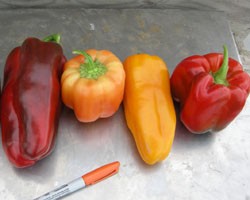
The peppers evaluated in 2011 performed very similar in total yield per plant as measured by pounds. When we look at fruit size and weight we do find differences that can help growers make choices in variety. When selling by the piece, in a retail setting, varieties such as Yellow Crest would work well. For wholesale accounts varieties such as Gordo will fill bushel boxes faster. Sandpiper, a slightly smaller fruit than the other bell peppers is this trial, gave very good yields and offers a nice color spectrum. High tunnels are a great tool for vegetable growers to increase quality and color of bell peppers. Total economic performance per square foot is much less than tomatoes. However, labor inputs are also lower. Although not a perfect rotational crop with tomatoes, peppers are not a host for Fulvia Leaf Mold, and are less likely to harbor Two Spotted Spider Mites. We encourage growers to consider peppers in high tunnels for increased quality and yield.
Read full report (pdf; 828KB)


Asparagus

Beets

Broccoli

Brussels Sprouts

Cabbage

Carrots

Cauliflower

Cucumbers

Dry Beans

Eggplant

Ethnic Vegetables

Garlic

Horseradish

Kohlrabi

Leeks

Lettuce / Leafy Greens

Melons

Mushrooms

Onions

Parsnips

Peas

Peppers

Potatoes

Pumpkins / Gourds

Radishes

Rhubarb

Rutabaga

Snap Beans

Squash - Summer

Squash- Winter

Sweet Corn

Sweet Potatoes

Tomatoes

Turnips