2021 Beet Herbicide Chart
Julie Kikkert, Team Leader, Extension Vegetable Specialist
Cornell Vegetable Program
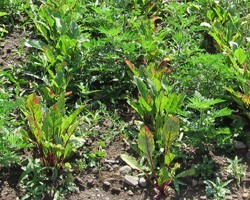
This chart, created with information from the late Dr. Robin Bellinder, Weed Scientist at Cornell, lists the herbicides that are labeled for beets and which weed species are controlled. While the chart is a handy reference, it is critical to read the product labels thoroughly.
Herbicide effectiveness depends on many things. If the weed species you are trying to control has a poor or fair rating with a particular product, you should try other options. To be most effective, herbicides must be applied at the correct state of crop development and weed size. Effectiveness may also vary with method of application, rate, use of an adjuvant, and soil and climatic factors.
Relative Effectiveness of Herbicides for Use in Table Beets in NY in 2021 (pdf; 209KB)

Upcoming Events
Orleans Regional Winter Vegetable Meeting
February 9, 2026
Albion, NY
Topics include: Breeding and evaluating tomatoes to control disease and improve yield, jar testing and ensuring spray water quality, breaking down organic matter, FSMA updates and Q&A with Ag & Markets, and industry updates. Includes hands-on learning, coffee break, and sponsor booths.
DEC credits available: 1.0 in CORE plus 0.5 in 1a, 10 or 23
African Eggplant Participatory Breeding Kick-Off
March 5, 2026
Join us to learn about the Cornell African Eggplant Research Project and learn how you can participate! African eggplant, also known as Bitterball, Garden Egg, Kittley and other names, is an important crop for many members of our community with heritage from regions such as sub-Saharan Africa, Southeast Asia, and Brazil. Since 2024, the Cornell African Eggplant Research Project has been collaborating with growers and community partners across New York to develop high-quality varieties adapted to the Northeast U.S. In this meeting, we will share information about growing and preparing African eggplant, highlight our research to date, and invite partners to collaborate with us in our 2026 participatory breeding and variety selection efforts.
COST: FREE! You must pre-register to receive the Zoom link.
Managing the Invasive Swede Midge Webinar
March 6, 2026
Swede midge is an invasive fly that causes serious economic losses to brassica crops. Due to its small size and hidden feeding habits, swede midge is often called an "invisible pest" and damage may be misdiagnosed. In this webinar, we will review the swede midge life cycle and crop damage symptoms, current management recommendations, new research findings, and highlights from on-farm case studies with a focus on organic management.
1.75 DEC pesticide recertification credits in categories 1a, 10, and 23.