


Salvaging Your Greenhouse After a Heavy Snow Storm
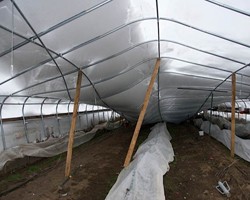
A quick checklist covering potential hazards and steps to take to salvage your greenhouse after a heavy snow storm.
Be aware of potential hazards:
• Sliding snow or ice
• Falling glassAgri:
• Broken frame members
• Severed electrical wires
• Leaking fuel oil or gas
Shut off utilities:
• Disconnect power supply
• Shut of gas supply
• Turn of main water supply
Minimum structural damage:
• Take photos
• Prop up greenhouse frame to prevent further collapse
• Add additional bracing (diagonal at corners)
• Check and tighten frame connections
• Repair glazing
• Close doors and vents
• Open drain pipes
• Provide temporary heat to keep plants from freezing
• Check and repair heating/electrical/water systems
Major structural damage:
• Take photos
• Support frame members for safe entry
• Cut poly if necessary to reduce load on structure
• Clear aisles
• Remove plants to temporary structures or alternate location
• Drain water system
• Cover heating/cooling and materials handling equipment with tarps
Snow removal:
It can be very expensive to remove the snow. You also have to have space for it. If the snow is light, there is not much danger of further collapse. If it is heavy, some growers found that as it settled, melted and refroze, it formed a cocoon next to the greenhouse and didn’t add a lot of pressure. Removing it may cause more damage. If you need the light for the plants, then the snow will have to be removed.
Contact the insurance company.
Rent equipment to remove snow if necessary. Also rent to replace damaged heating/cooling equipment.
CHECKLIST: Salvaging Your Greenhouse After a Heavy Snow Storm (pdf; 73KB)


Asparagus

Beets

Broccoli

Brussels Sprouts

Cabbage

Carrots

Cauliflower

Cucumbers

Dry Beans

Eggplant

Ethnic Vegetables

Garlic

Horseradish

Kohlrabi

Leeks

Lettuce / Leafy Greens

Melons

Mushrooms

Onions

Parsnips

Peas

Peppers

Potatoes

Pumpkins / Gourds

Radishes

Rhubarb

Rutabaga

Snap Beans

Squash - Summer

Squash- Winter

Sweet Corn

Sweet Potatoes

Tomatoes

Turnips

Upcoming Events
Small Vegetable Workshop
August 13, 2026
Fulton, NY
Identify vegetables that make sense to grow on small acreage, including under high and low tunnel season extension. Bill Ingersoll, owner of Ingersoll Farms, will provide a short tour and discuss other important factors of running a mixed vegetable farm, including a farm stand and selling at farmers' markets.
Chipping Potato and Field Crops Twilight Meeting

August 27, 2026
Dansville, NY
This year, our field meeting is bringing together field crops and chipping potatoes. SWNY Dairy, Livestock, and Field Crops Specialist Katelyn Miller will lead a field crops management discussion. Hear the latest updates in potato disease control and see the Cornell chipping potato variety trial run by Walter De Jong. Dinner follows the educational event.
1.5 DEC credits available in 10, 1a, 21, and 23.
IPM Field Day for Urban Growers
September 10, 2026
Buffalo, NY
Join us for a hands-on field day exploring integrated pest management and season extension tools for urban growing spaces and the opportunity to build community with local growers!
This event will focus on best practices for using row covers and rat mitigation. Check out our CCE demonstration trial using insect exclusion netting to manage swede midge, an invasive fly that causes damage to brassica crops. Explore how to identify rat activity, reduce attractants, and strengthen site management. Hear from local growers on how they manage pests with a focus on organic management and how they extend the season on their farms and gardens.